The floor is the foundation of any interior design. It endures the heaviest use and sets the immediate visual tone of a room. For decades, standard tile flooring dominated commercial and residential spaces. However, modern architectural trends demand a more sophisticated, durable, and cohesive look. Developers and top-tier designers are now looking upward and outward, redefining spaces from the ground up with engineered slabs. This guide explores the massive industry shift toward expansive stone flooring, highlighting why large format materials easily outperform traditional floor tiles in high-end projects.
The Shift from Standard Tile Flooring to Large Format Slabs
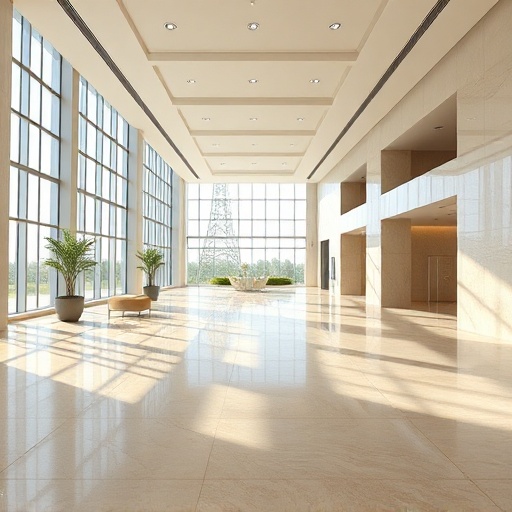
The architectural world is rapidly moving away from busy, fragmented surfaces. The demand for clean, uninterrupted sightlines is driving the rise of large format slabs in flooring applications.
The Problem with Grout Lines in Traditional Floor Tiles
Standard ceramic or porcelain floor tiles require extensive grout networks to hold them together. Grout is the weakest link in any flooring system. It is porous, collects dirt rapidly, and discolors under heavy foot traffic. In a large hotel lobby or retail store, thousands of intersecting dirty grout lines instantly downgrade the perceived luxury of the entire space. Furthermore, constant grout maintenance drives up operational cleaning costs significantly.
Creating the Illusion of Space with Seamless Aesthetics
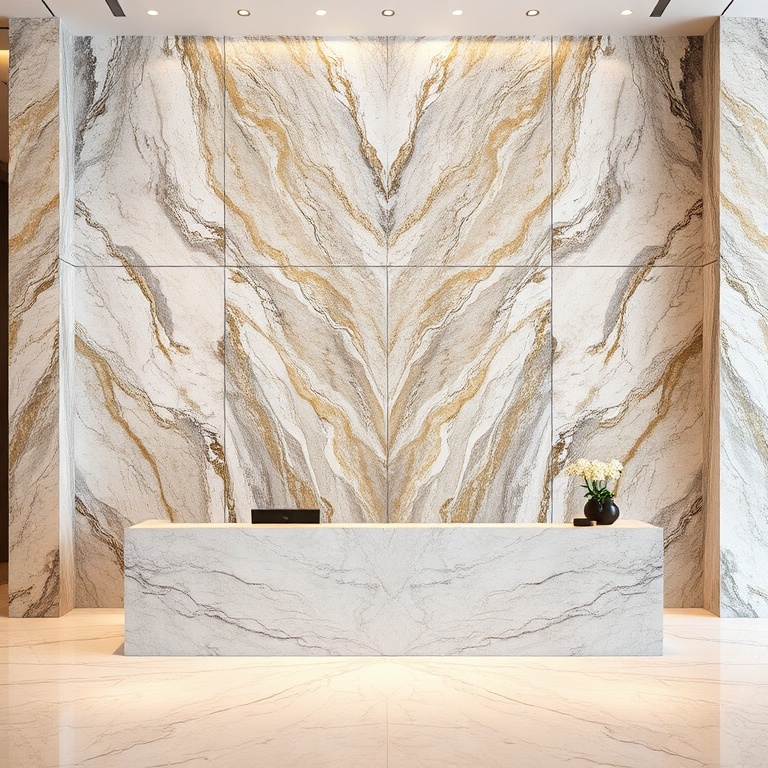
Large format slabs solve the grout problem entirely. By utilizing engineered stone slabs that measure up to 3.2 by 1.6 meters, installers dramatically reduce the number of visible joints. This creates a vast, continuous surface that visually expands the room. This seamless aesthetic offers a clean, contemporary canvas that allows other architectural elements to shine.
Why Engineered Stone is Perfect for High-Traffic Floors
Commercial environments require flooring that can take a beating without losing its luster. Engineered stone provides the ultimate combination of industrial-grade durability and high-end beauty.
Superior Scratch and Impact Resistance for Commercial Use
A busy office building or hotel lobby sees thousands of rolling suitcases, high heels, and heavy equipment every single day. Engineered quartz and nano crystallized glass are manufactured under extreme pressure, resulting in materials that rank incredibly high on the Mohs hardness scale. This extreme density gives engineered stone flooring superior scratch and impact resistance compared to softer natural stones or standard ceramic tiles.
Non-Porous Surfaces for Easy Cleaning and Low Maintenance
Spills are inevitable in any commercial space. Natural stone flooring absorbs liquids, leading to permanent stains. Engineered stone is completely non-porous. Coffee, wine, and harsh cleaning chemicals simply sit on the surface, ready to be wiped away easily. This zero-porosity feature ensures the floor remains highly hygienic and remarkably easy to maintain over decades of use.
Popular Design Trends in Luxury Stone Flooring
Engineered stone does not force you to compromise on aesthetics to achieve durability. It perfectly mimics nature's most sought-after looks while providing enhanced safety features.
Achieving the Look of a Premium Marble Floor Tile
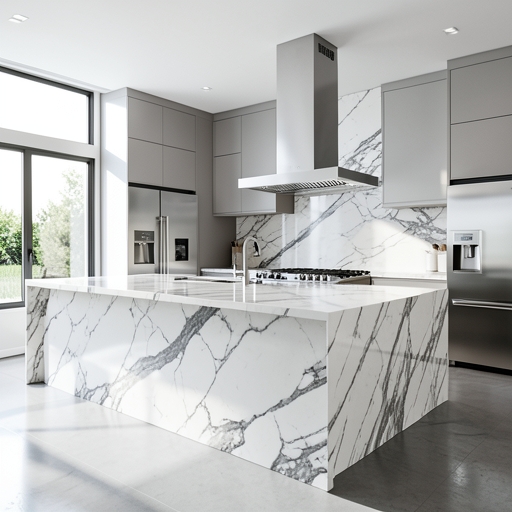
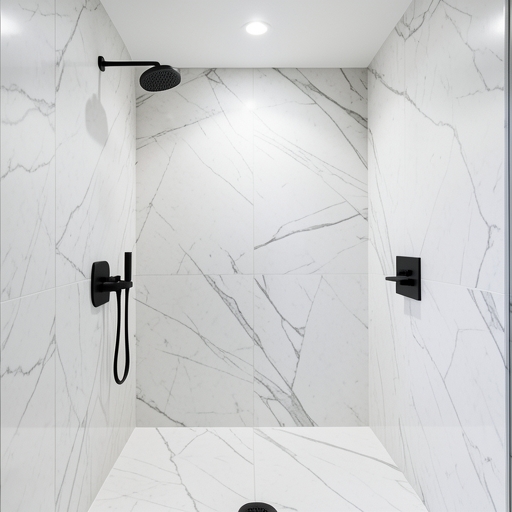
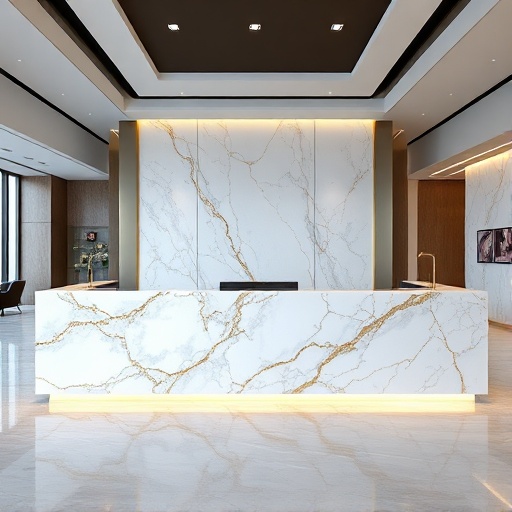
Natural marble floors represent classic luxury, but they are fragile and require constant sealing. Engineered stone can flawlessly replicate the intricate veining and depth of a premium marble floor tile. Designers can specify crisp white Calacatta or rich, dark Emperador styles, achieving breathtaking luxury without the nightmare of natural stone maintenance.
Safety and Style: Opting for Matte and Honed Finishes
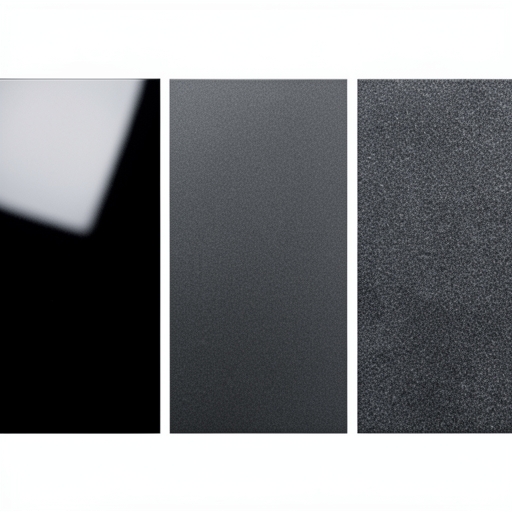
While high-gloss polished floors look stunning, they can become slippery when wet. A major trend in commercial stone flooring is the specification of matte or honed finishes. These textured finishes scatter light softly, hiding footprints and dust while providing crucial slip resistance to meet strict commercial building safety codes.
Sourcing Materials for Large-Scale Flooring Projects
Executing a massive flooring project requires a manufacturing partner capable of delivering absolute consistency at scale.
Guaranteeing Color Consistency Across Massive Square Footage
When you order natural stone for a 10,000-square-foot shopping mall floor, color variations between different stone blocks are guaranteed. This results in a patchy, uneven final installation. Because engineered stone is manufactured in highly controlled batches, a premium factory can guarantee absolute color and pattern consistency across hundreds of large format slabs, ensuring a perfectly unified final floor.
Factory Pre-Cutting for Efficient On-Site Installation
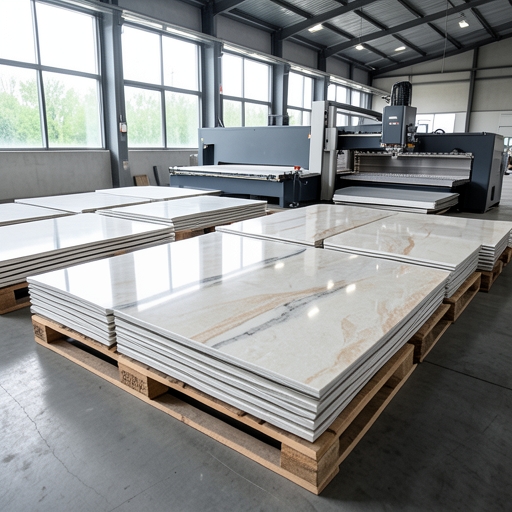
Handling jumbo slabs on a construction site is difficult and dangerous. To streamline the installation process, expert stone manufacturers offer precision pre-cutting services. You provide the AutoCAD flooring layouts, and the factory uses advanced CNC machinery to cut the large format slabs to the exact specified dimensions before shipping. This significantly reduces on-site labor costs, minimizes dust, and drastically speeds up the project timeline.
Conclusion: Step into the Future of Design with Durable Stone Floors
The era of small, grout-heavy tile flooring in luxury spaces is fading. By upgrading to large format slabs, developers and architects deliver visually stunning, expansive environments that are vastly easier to maintain. Engineered stone flooring provides the ultimate return on investment through its unparalleled scratch resistance, zero porosity, and breathtaking aesthetic versatility. Step into the future of architectural design by choosing durable, seamless engineered stone for your next major flooring project.
FAQ: Specifying Engineered Stone for Flooring
Can quartz countertops material be used for floor tiles?
Yes. The exact same highly durable engineered quartz used for premium countertops is exceptionally well-suited for high-traffic flooring applications. Its scratch and stain resistance perform beautifully underfoot.
What is the recommended thickness for large format stone flooring?
For flooring applications using large format slabs over a properly leveled concrete subfloor, a thickness of 12mm or 20mm is typically recommended. This provides excellent structural stability without adding unnecessary weight to the building's load-bearing capacity.
Is engineered stone flooring compatible with radiant underfloor heating?
Yes, engineered quartz and nano stone conduct heat efficiently and safely. They are highly compatible with modern radiant underfloor heating systems, making them an excellent, comfortable choice for residential flooring in colder climates.
How do you prevent slipping on polished stone floors in commercial spaces?

For commercial environments with strict slip-resistance requirements, it is highly recommended to specify a honed, matte, or lightly textured leather finish rather than a high-gloss polish. These finishes significantly increase traction even when the surface is wet.