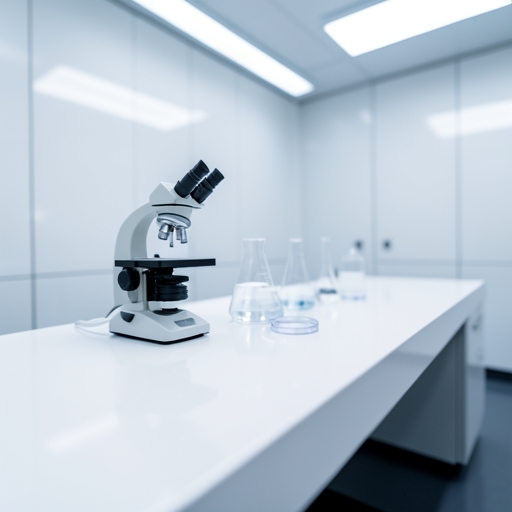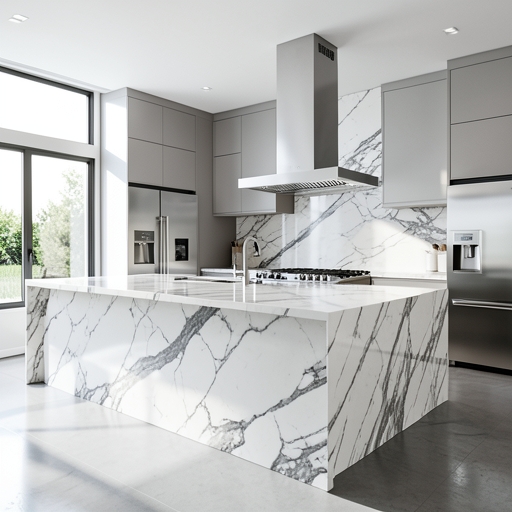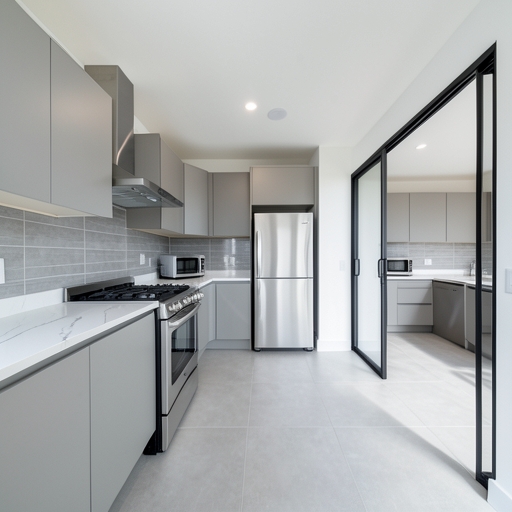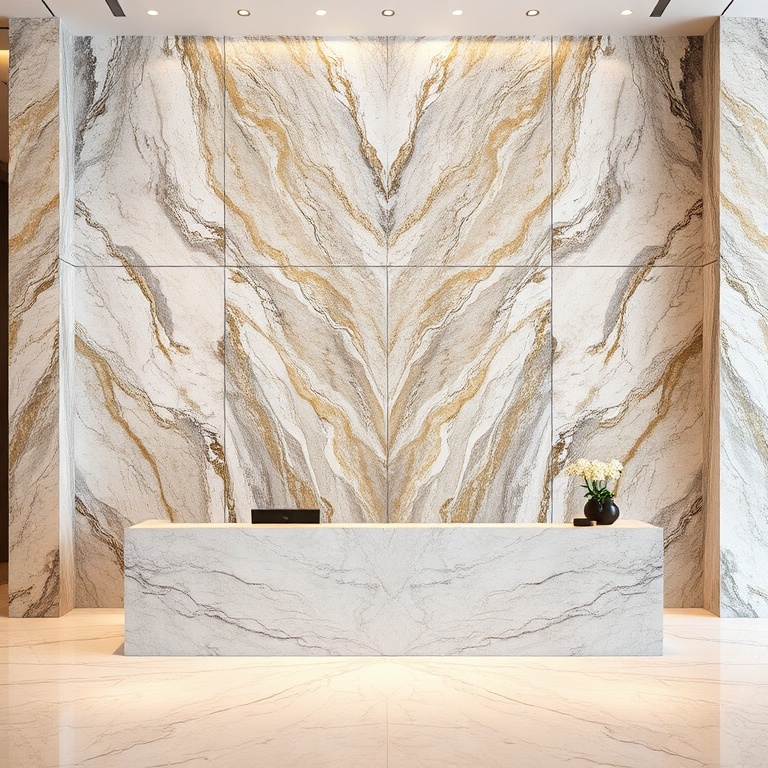
Designing for healthcare and scientific research requires a fundamental shift in material selection. In these environments, aesthetics serve a secondary role to absolute safety and functionality. Surfaces must endure constant chemical exposure, prevent the spread of pathogens, and withstand the physical demands of heavy medical equipment. Traditional laminates and stainless steel often fall short of modern standards. This guide examines why laboratory countertops and medical stone surfaces crafted from engineered quartz and nano stone provide the ultimate solution for sterile, high-performance environments.
The Critical Role of Hygienic Stone Slabs in Clinics
In a clinical setting, every surface is a potential site for cross-contamination. Controlling infection starts with choosing materials that do not harbor microscopic threats.
Non-Porous Architecture: Preventing Bacterial and Mold Growth
Porosity is the enemy of hygiene. Natural stones like granite have tiny pores that trap moisture and organic matter, allowing bacteria to flourish. As a leading manufacturer, we produce hygienic stone slabs that are completely non-porous. Engineered stone features a dense, vacuum-sealed structure. This physical barrier ensures that bacteria, mold, and viruses cannot penetrate the surface, making it an essential component for modern infection control protocols.
Withstanding Rigorous Disinfection Protocols
Hospitals use aggressive chemical disinfectants multiple times per day. Lower-quality materials often degrade, discolor, or crack under this chemical stress. Our premium stone surfaces are engineered to resist high-strength cleaning agents. They maintain their structural integrity and visual clarity even after years of relentless sanitation, reducing the need for costly surface replacements in clinics and patient rooms.
Laboratory Countertops: Resistance to Chemicals and Stains
Laboratories represent the most punishing environment for any work surface. Materials must survive constant contact with volatile substances.
Nano Crystallized Glass vs. Quartz in Acidic Environments
While both are durable, nano stone (nano crystallized glass) offers specialized advantages for research facilities. Unlike quartz, which contains polymer resins, nano stone is a pure mineral composition. This makes it exceptionally resistant to concentrated acids and alkalis. For laboratory countertops exposed to harsh reagents, nano stone provides an impenetrable shield that prevents chemical etching and permanent staining.
Thermal Stability for Laboratory Burners and Equipment
Laboratory work often involves heat sources and hot equipment. High-temperature tolerance is a mandatory safety requirement. Engineered stone surfaces offer excellent thermal stability. They do not scorch or release toxic fumes when exposed to localized heat. This fire-resistant nature enhances the overall safety of the research environment.
Durability for High-Traffic Medical Facilities
Modern hospitals operate 24/7. The sheer volume of traffic requires surfaces that can endure heavy physical impact without failure.
Impact Resistance for Hospital Corridors and Triage Desks
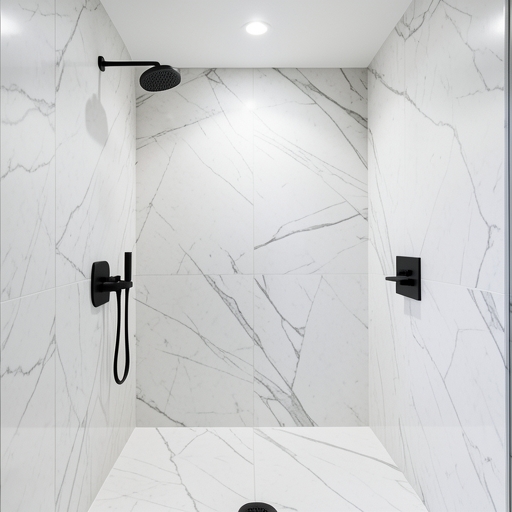
Mobile medical carts, stretchers, and heavy diagnostic equipment constantly collide with walls and desks. Our engineered stone slabs possess high flexural strength. They resist chipping and cracking upon impact far better than natural marble or ceramic tiles. Using stone for wall cladding in high-traffic corridors drastically lowers the long-term maintenance burden for facility managers.
Scratch-Resistant Surfaces for Busy Dental and Veterinary Clinics
Precision instruments and metal trays can easily scratch softer surfaces. The high quartz content in our slabs ensures a surface that is nearly as hard as a diamond. This scratch resistance keeps dental workstations and veterinary exam tables looking new and professional, even in the busiest practices.
Custom Fabrication for Specialized Medical Furniture
Every healthcare project has unique spatial requirements. Success depends on the ability to provide precision-engineered components.
Seamless Integrated Sinks for Optimal Hand Hygiene
Hand hygiene is the most effective way to prevent the spread of germs. Through advanced custom stone fabrication, we create countertops with integrated quartz sinks. By eliminating the lip between the sink and the counter, we remove the areas where grime and bacteria typically accumulate. This creates a truly seamless, easy-to-clean hygiene station for surgeons and nurses.
Precision CNC Cutouts for Lab Hoods and Equipment Mounting
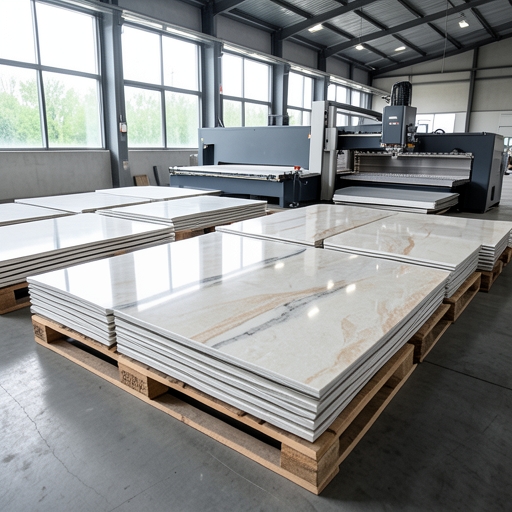
Specialized laboratory furniture requires complex cutouts for gas lines, power conduits, and ventilation hoods. Our factory utilizes high-precision CNC machinery to execute these cuts with millimeter accuracy based on architectural AutoCAD files. This ensures that specialized medical equipment fits perfectly upon installation, minimizing on-site adjustments and delays.
Conclusion: Partnering with a Manufacturer for Medical-Grade Stone
Specifying the correct material for healthcare and laboratory environments is a matter of institutional safety and operational efficiency. By choosing hygienic stone slabs and durable laboratory countertops, developers protect both their patients and their bottom line. High-performance engineered stone provides a sterile, chemical-resistant, and virtually indestructible surface that meets the rigorous demands of modern science and medicine. Partner with Kangsheng Stone to secure a reliable supply of medical-grade surfaces for your next critical infrastructure project.
FAQ: Specifying Stone for Medical and Lab Environments
Does quartz release any VOCs in a sensitive laboratory environment?
No. High-quality engineered quartz is Greenguard Gold certified, meaning it has extremely low chemical emissions. It is safe for use in sensitive indoor environments, including cleanrooms and neonatal units.
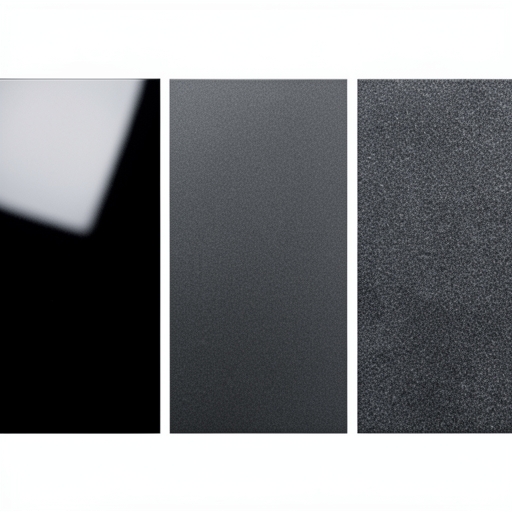
Which finish is better for medical use: Polished or Matte?
A polished finish is generally preferred for medical use. The high-gloss surface is the most non-porous and easiest to wipe clean. It also provides high visibility, making it easier for staff to spot and clean spills immediately.
Is nano stone resistant to hydrofluoric acid used in some labs?
While nano stone is highly resistant to most acids, hydrofluoric acid is a specialized chemical that can etch glass-based materials. For labs specifically using hydrofluoric acid, we recommend consulting our technical team for specific material compatibility tests.
Can your factory handle standardized vanity orders for 100+ patient rooms?
Yes. Our 5,000 sqm facility and 300,000 sqm annual capacity are designed for large-scale commercial and healthcare projects. We specialize in producing bulk orders of identical, precision-cut vanity tops and wall panels for major hospital developments.