
How to Specify Stone: An Architect's Guide
For any architect or specifier, a project's success often lies in the details. How to write a stone specification? A precise and comprehensive technical specification is crucial. It ensures the final product aligns perfectly with your design vision. This architect guide provides a clear framework to specify stone effectively for commercial projects. Let our expertise support your next project.
Part 1: Material Identification and Characteristics
What is included in a technical specification for stone? It begins with clearly identifying the material.
Section 09 60 00: Naming the Material (e.g., Engineered Quartz Surfacing)
Start with the correct CSI MasterFormat section. Clearly name the material, for example, "Engineered Quartz Surfacing." This ensures there is no ambiguity for bidders and installers.
Manufacturer and Product Series (e.g., Kangsheng Stone, Calacatta Series)
To ensure quality and aesthetic consistency, specify the manufacturer and product line. For example: "Manufacturer: Kangsheng Stone. Series: Calacatta Series." This is a key part of the stone selection process.
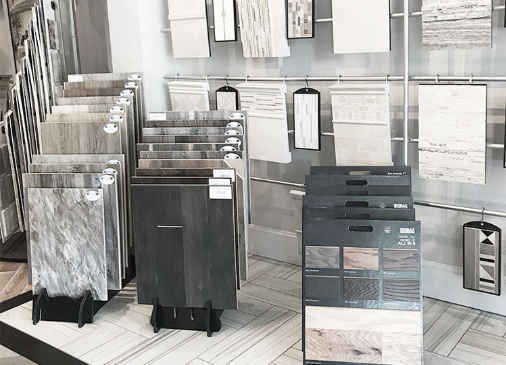
Color Code and Name
Finally, include the specific color code and name. This eliminates any confusion about the desired aesthetic. A complete material specification leaves no room for error.
Part 2: Defining Physical and Performance Properties
This section is the technical heart of your specification. It defines the required performance of the stone.
Hardness and Scratch Resistance (Mohs Scale)
Specify a minimum hardness on the Mohs scale. For a high-traffic commercial project, a hardness of 6-7 is typically required. This ensures the surface can withstand daily wear and tear.

Water Absorption Rate (%)
For applications in kitchens or bathrooms, a low water absorption rate is critical. Specify a maximum rate (e.g., "< 0.5%"). This ensures the material is non-porous and resistant to staining.
Flexural Strength (MPa)
Flexural strength indicates the stone's ability to resist bending or breaking under load. This is an important specification for countertops, especially those with overhangs.
Chemical and Stain Resistance Testing Standards
Reference specific international standards for chemical and stain resistance (e.g., ASTM or ISO standards). This provides an objective measure of the material's durability.
Part 3: Specifying Dimensions, Tolerances, and Finishes
This part of the guide covers the physical attributes of the final product.
Slab Dimensions (Length, Width)
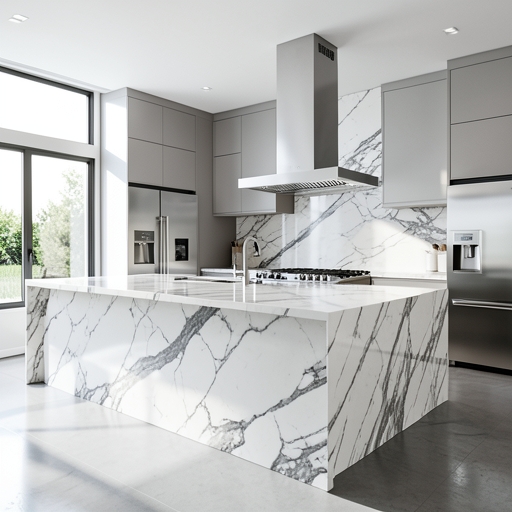
Specify the required slab dimensions. Be sure to note if your project requires standard or jumbo-sized slabs to minimize seams.
Nominal Thickness and Allowable Variance (e.g., 20mm +/- 1mm)
Clearly state the nominal thickness (e.g., 20mm or 30mm). Also, include the acceptable tolerance (e.g., +/- 1mm). This is crucial for a perfect installation.
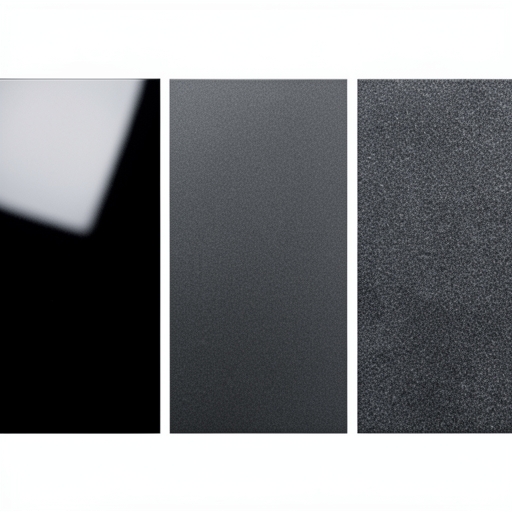
Surface Finish (e.g., Polished to a Gloss Level of >90)
Define the desired surface finish. Be specific. For example, instead of just "polished," you can specify stone to be "Polished to a gloss level of >90." Our range of finishes can meet any specification.
Part 4: Detailing Fabrication and Edge Profiles
How to specify quartz slabs correctly? The fabrication details are essential.
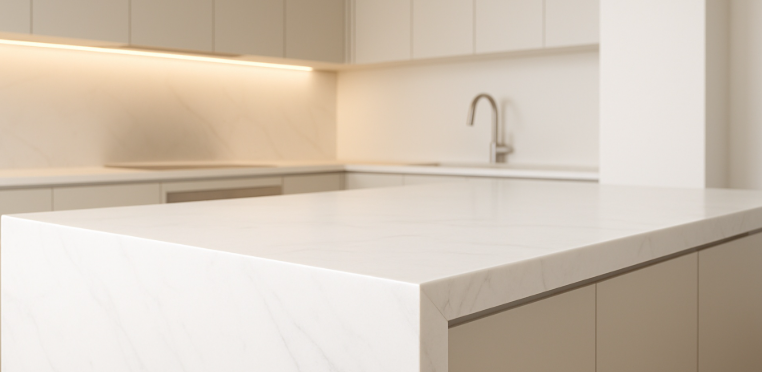
Specifying Edge Details (e.g., Eased Edge, Mitered Edge)
Provide clear details or diagrams for all edge profiles. This includes simple eased edges or more complex mitered edges for a seamless look.
Radius for Corners
Specify the radius for any rounded corners. This small detail can have a big impact on the final design and user safety.
Requirements for Cutouts and Seams
Your technical specification should detail the location and dimensions of all cutouts. You can also specify the maximum allowable width for seams and the required color match for seam fillers.
Part 5: Installation and Warranty Requirements
The specification should extend to the final installation and long-term assurance.
Referencing Installation Standards (e.g., TCNA Handbook)
Reference recognized industry standards for installation. This ensures the work is performed by qualified professionals according to best practices.
Specifying Adhesive and Seam Filler Types
Specify the type and color of adhesive and seam fillers to be used. This ensures a secure bond and aesthetically pleasing seams.
Manufacturer's Warranty Period
Include a requirement for a minimum manufacturer's warranty period. This protects the client's investment and demonstrates the quality of the specified product.
Example Specification for a Commercial Project
What are the key criteria for specifying stone in commercial projects? A great specification is clear and concise.
A Downloadable Template for Your Use
To make this architect guide even more practical, we have prepared a template. This template for a material specification can be a starting point for your next project. Access our specification support resources here.
Conclusion: A Clear Specification is the Foundation of a Successful Project
To specify stone correctly is to lay the groundwork for a successful outcome. A detailed and precise technical specification eliminates ambiguity. It ensures that the final result perfectly matches the architect's vision. It protects the client's investment and holds all parties accountable to the highest standards.
Need detailed technical data for your next specification? Contact our architectural support team to receive comprehensive data sheets for all our products.
Frequently Asked Questions for Architects and Specifiers
Where can I find the technical data sheets for your products?
We provide comprehensive data sheet documents for all our quartz and stone products. These include all the physical and performance properties you need for your specification. Please contact our team to request them.
Do you provide support for writing specifications for large or complex projects?
Yes. Our architectural support team has extensive experience. We can assist you in writing a detailed technical specification tailored to your specific project needs. We see this as part of our service.
What are the most important properties to specify for a high-traffic commercial countertop?
For high-traffic commercial projects, the most important properties to specify are hardness (scratch resistance), a very low water absorption rate (stain resistance), and high flexural strength (impact resistance).
How do I specify color and pattern consistency for a large order?
In your specification, you should state that all materials must be from the same production batch to ensure consistency. You should also reference an approved physical sample as the standard for color and pattern.
 Stone Solutions for Healthcare and Laboratory Surfaces
 Comparing Stone Finishes: Polished vs. Matte vs. Honed
 The Guide to Jumbo Quartz Slabs for Seamless Design
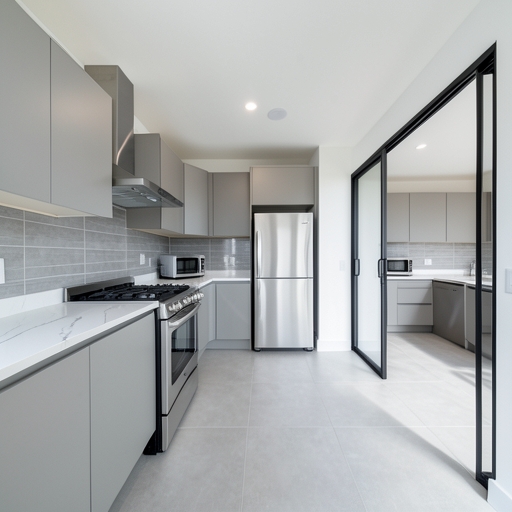 Sourcing Wholesale Quartz Countertops for Multi-Family Projects
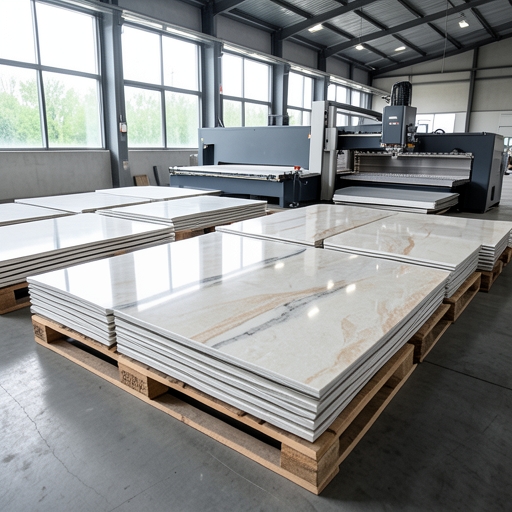 Custom Stone Table Tops for Restaurants and Hotels
 Beyond Traditional Floor Tiles: Large Format Stone Flooring
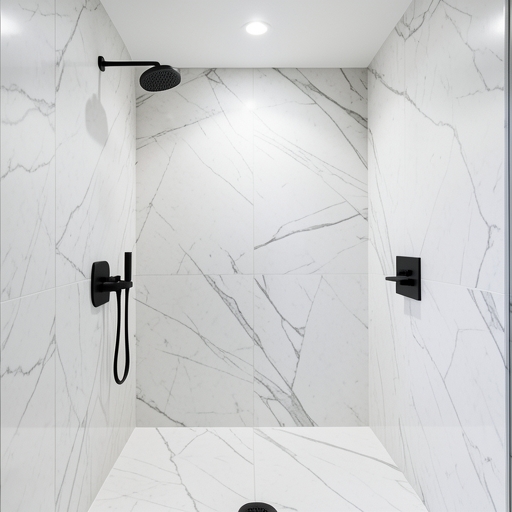 Beyond Bathroom Tiles: Quartz Vanities & Seamless Shower Walls
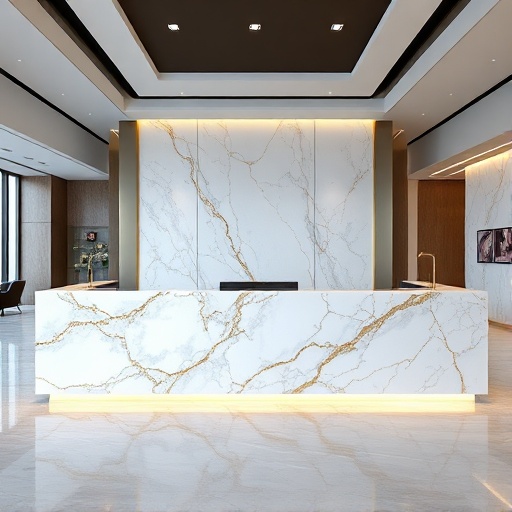 Guide to Commercial Quartz Countertops & Custom Reception Desks
 Guide to Nano Stone & Nano Crystallized Glass Slabs
 The Guide to Faux Stone Wall Panels & Quartz Backsplashes